
How Does a Hydraulic Winch Work?
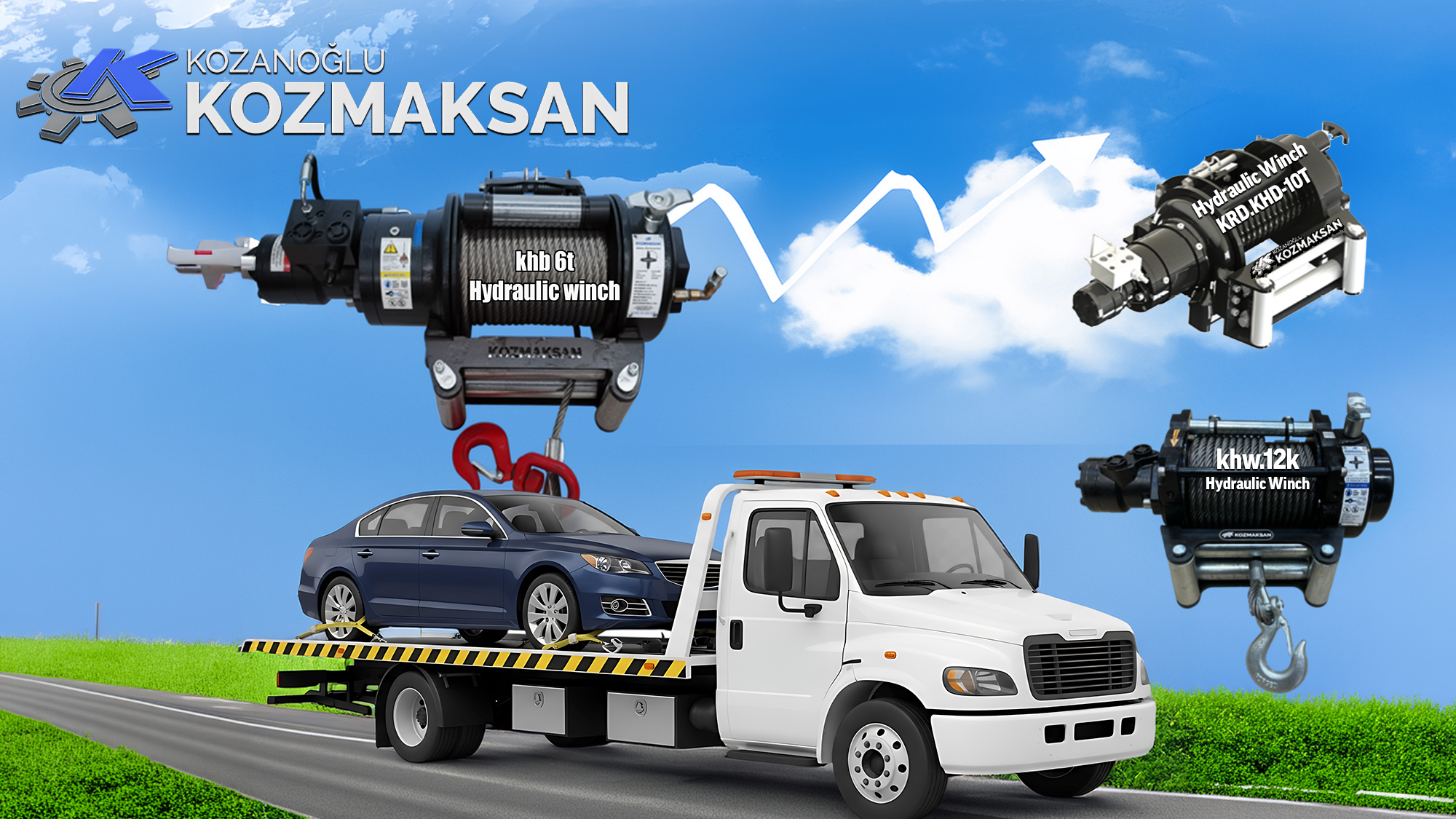
A hydraulic winch is one of the most
reliable tools for heavy-duty pulling, hoisting, and vehicle recovery
applications. Unlike electric winches, which rely on a battery-powered motor, a
hydraulic winch draws its power directly from the vehicle's engine through a
Power Take-Off (PTO) system. This makes hydraulic winches ideal for continuous,
high-load operations where an electric motor would overheat or drain the
battery.
Step 1: Power Generation via PTO
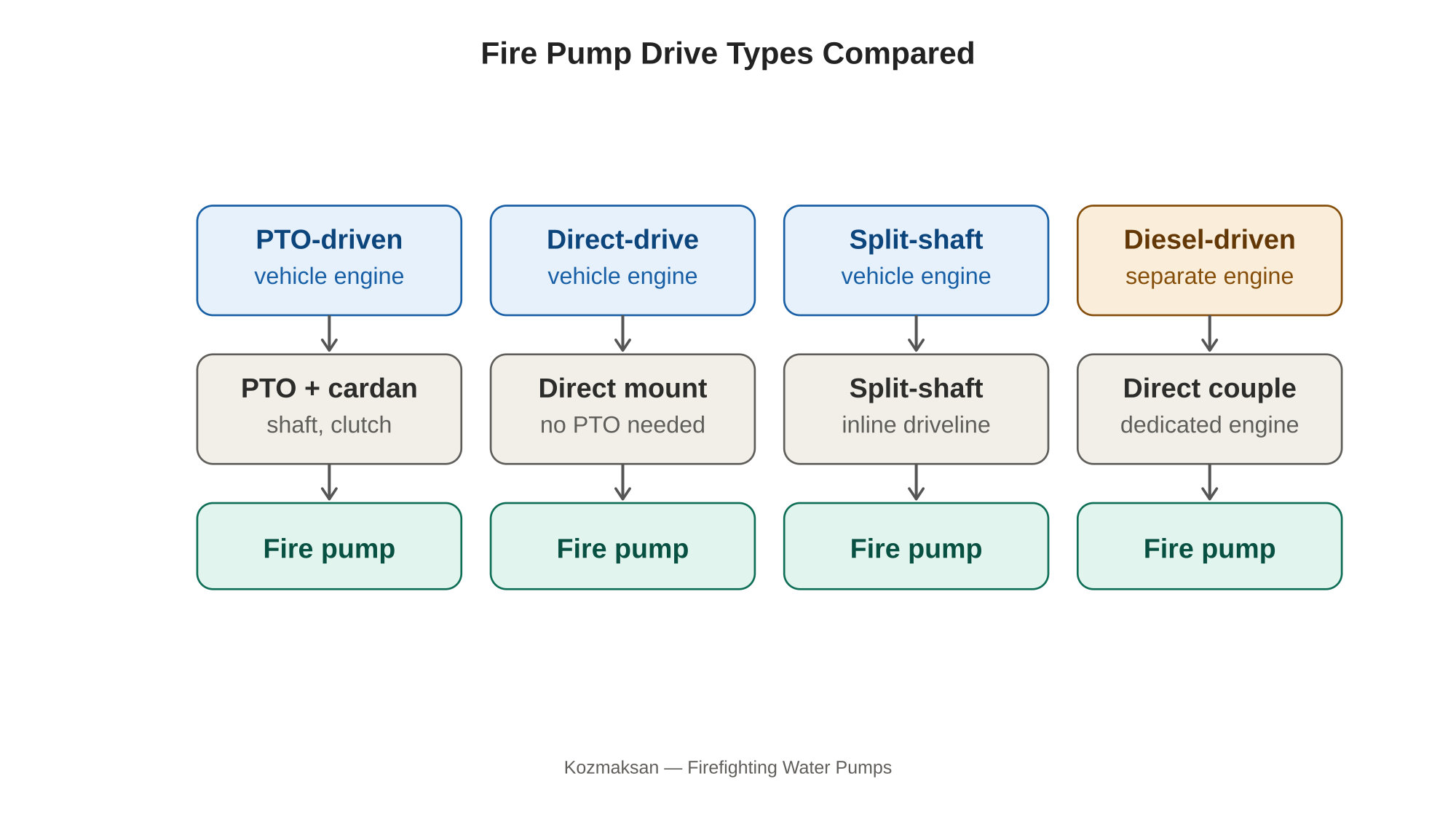
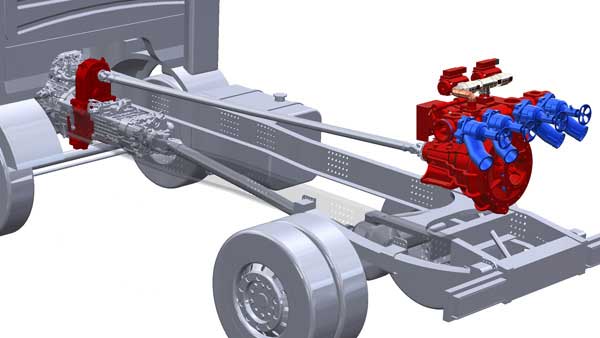
The process begins with the PTO, which is
mounted on the vehicle's transmission or gearbox. When engaged, the PTO
transfers rotational power from the engine to a hydraulic pump.
Step 2: Hydraulic Pump Creates Oil Flow
The hydraulic pump, driven by the PTO,
pressurizes hydraulic oil and delivers it through hoses to the winch's
hydraulic motor (hydromotor). The flow rate and pressure of this oil directly
determine how fast and how powerfully the winch can pull.
Step 3: The Hydromotor Converts Oil Flow
into Mechanical Movement
Inside the winch, the hydromotor receives
the pressurized oil and converts it into rotational mechanical movement. A
high-torque hydromotor is essential here, since it's what ultimately generates
the winch's pulling force.
Step 4: The Planetary Gear System
Multiplies Torque
The hydromotor's rotation passes through a
planetary gear system before reaching the winch drum. This gear system
multiplies torque significantly, allowing a relatively small hydromotor to
generate several tons of pulling force. This is why Kozmaksan's hydraulic winches
use an extra-reinforced planetary gear system with special steel heat treatment
— it's the component under the most mechanical stress in the entire winch.
Step 5: The Drum Winds the Rope
As the gear system turns the drum, the
steel wire rope winds in or out, creating the actual pulling or lowering
action. A winch guide system and rope stabiliser (standard on all Kozmaksan
hydraulic winches) keep the rope aligned on the drum, preventing tangling and
uneven winding under load.
Step 6: The Braking System Holds the
Load Safely
Once the winch stops pulling, a braking
mechanism holds the load securely in place — this is critical for safety,
especially when suspending or holding a heavy load.
Spring applied Multi-disc brake disc system that offers precise, repeatable
braking performance, often paired with manual or pneumatic cable release
options for faster operation in demanding environments.
Why This Matters When Choosing a
Hydraulic Winch
Understanding this process helps explain
why certain specifications matter so much when selecting a winch:
- Pump flow (L/min) and operating pressure (bar) determine how fast and how powerfully the winch operates
— this is why Kozmaksan lists these specs for every model.
- Rope diameter must match the
winch's rated capacity, since a thinner rope on a high-capacity winch
would be a safety risk.
- Brake type affects how the
winch behaves under load and how quickly it can be released — mechanical
brakes offer rugged simplicity, while multidisc brakes offer refined
control.
- Certification (EN 14492-1) confirms
that the entire system — from gear design to braking — has been tested and
verified to the European safety standard for power-driven winches.
Explore Kozmaksan's Hydraulic Winch
Range
Kozmaksan manufactures EN 14492-1 certified
Hydraulic Winches and available in capacities ranging from 4 to 22 tons.